



Men Without
without, adv. 1. On the outside 2. With something lacking or absent
Remembering Hemingway’s story collection, Men Without Women,
how his father killed himself, how his mother dressed him as a girl
until he was four. How he volunteered, left the country, drove
an ambulance for the Italian army in 1917, before the US
entered the First World War. How he was severely injured,
hospitalized, came back, then left again, expatriate, to write
in Paris, to live without. How he asked, And what is there that
you can say about him now that he is dead? about Conrad
when he died in 1924. How he never fully returned
from the first war, nor the next, how he thought
the FBI was following him (they were), and then,
bereft, put a shotgun in his mouth, the blood
that stirred within, without.
For twenty years we’ve known no year without
a war, and in that time another generation lost, gone
wandering the rotunda taking pictures of themselves,
having broken in, trampling their own underfoot,
shitting, pissing in the halls of Congress, legislators
hiding under desks, two Capitol police officers without
a place to go anymore putting pistols to their heads.
What are we to say about them now that they are dead?
What to say about each of us, what story left to tell,
what way to find the words to speak to the blood
that runs, that always stirs within, without?
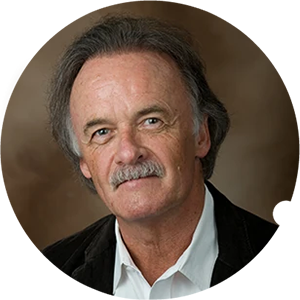
John Hodgen’s first job was as a gravedigger at the Pine Grove Cemetery after school. Now he’s Writer-in-Residence at Assumption University. He reports that the jobs are somewhat similar.
Recommended

Osmium

13 Images from the Dark Land: Crumb Vietnam Wordplay

With Regard