


Our Lenten Journey
You have the ticket in your pocket and finally everything is packed. The sky growing faint, a pale cast, March winds, sweeping over the violet sedge. Carrying your own suitcase through sleet and sunshine, the black patent shine of your shoes. Something tells us that others have gone on ahead with baskets at their flanks.
I’m ancient as never before this afternoon. I see twelve miles into the sunflower patch through the yellow oceans of rye to where cherries tremble in the air. But what am I looking at? Not a nun in a broad-brimmed bonnet with her small feet joined together. Instead, my mother after she left the order, a woman whose laughter spilled across rooms and through doors.
Who will remember that she worked dough with the heel of her palm, to keep it from overheating? Not a policeman smiling as he bicycles past, his single shadow running without crookedness along its crooked corridor. No.
Icicles on the chains of swings, every old man I see is my father come back to wipe the rear window. Who will remember that he saw angels in the wake of every fire truck? The two of them nothing now but dust and the residue of love.
Through the years she was worn thin by lapping water and he lurched here and there by smell. Lavender, the garden, lemons, the kitchen, bleach, the bath. Now they people the quiet town, digging down deep into sleep, like miners, they turn in a winding river and by neglect are transformed.
Letters I saved in an old nylon stocking like my mother’s onions. To have, to burn, that I read again before burning, hot, sitting in the sunshine behind a window. My father’s sayings from his country past: I feel like I was et by a wolf and shit off a cliff. My mother’s questions: How far away is your happiness? My own unanswered reply: I beg to choose by what road I shall go.
I stood looking down into the dark ditch, inhaling the scent of the fertile earth. Behind us in the stone church, behind me and the spinning galaxies of my siblings, someone was getting married, and someone else was telling a joke. My sister, her words as large as apples, as thick as honey, said: In every soul thousands of souls are trapped, and my brother, as peculiar as a fox made from pipe-cleaners and staples, his hands scraped by the earth, said, None of us knows anything about it, the boundary, whether there is a hard and fast division between one world and the next.
He was hull down on the trail of rapture, a line he read somewhere once and took as his life motto. My sister gave a cry that seemed to make the silence more silent and said to him, Who are you? What are you saying? But our blood is a rope of flowers, dying and reborn. I saw them and my parents and myself, when time had swallowed us all, eels slithering into our portholes, a worn spade packing down the mounded earth.
The next day was just the same, eyes like headlights still on while the house needed a dozen panes of glass and my siblings were two tennis balls, separated by more than a thousand miles (one in Boston, the other in Chicago), packing their pockets with stones, and I was a speck of dust, floating in desolate skies. A tiny meteor, one hundred miles above their heads, my back to them inside my black suit, reminding myself that spring is the most important season, that all the other seasons are its supplicants.
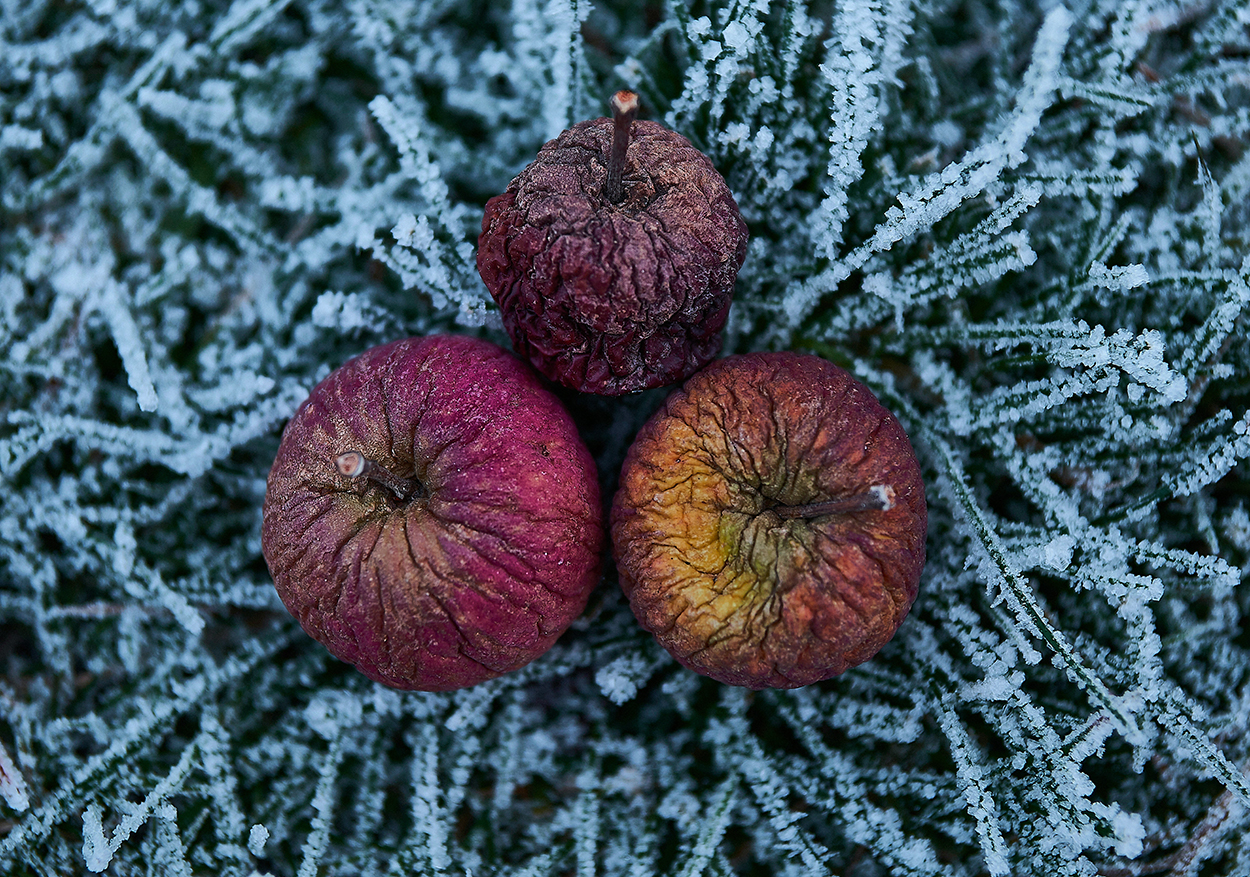
Someone came knocking like a ship at mooring; I listened, I opened the door but found nothing. It was the wind, carrying its whispers of homesickness, of rings of rust on the concrete stairs, of white pebbled walkways to our front door in front of which apples had lain in the browning grass every autumn of my childhood, dark as silver in a pawnshop, deer tracks in the fresh snow when they came to eat them.
In my sleep, ghosts began to quicken. It’s natural to want a little sweetness. Birds follow the glare of water, the sun slides out from behind a house, a hot wind burns like a slap in the face, rattles across the black roofs, shifts a piece of mirroring metal, ripples the surface of a puddle, and in the fields, silent cattle stare with solemn eyes, take deep breaths, like the deep breaths the darkness takes as the slow shadows lengthen out over the yellow plain below the hills.
In this solitude through which we go, I remember the days of my childhood, my joyful schooldays, the rich deep voices of my parents, how at every school assembly with our uniforms and smell of soap, the nuns among whom my mother once stood, holding my sister’s hand, I felt sorry for the past.

Paul Griner is the author of the recently published novel The Book of Otto and Liam, longlisted for the 2022 Andrew Carnegie Medal for Excellence in Fiction. Earlier work includes the novels Collectors, The German Woman, and Second Life, and the story collections Follow Me (a Barnes and Nobel Discover Great New Writers pick) and Hurry Please, I Want to Know (winner of the 2016 Kentucky Literary Award).
Recommended
A Month and a Wake-Up
Our Lady of Angels Fire: Half-Life of a Hole
The Stranger